
Supporting Employees and Their Families During a Move

When businesses relocate employees, the focus often centers on logistics and job performance. However, a household move affects more than just the employee; it impacts their entire family. Companies that take the time to support the family throughout the process can ease the transition, improve morale, and increase retention. Here are practical ways to include and support families during an employee relocation.

Start with Transparent Communication

Moving is stressful for families, especially when they feel left out of key conversations. From the outset, maintain clear and open communication not just with the employee but also with their family. Provide detailed information about the relocation timeline, housing options, and community resources. Host informational sessions or offer a dedicated point of contact who can answer questions from the entire family.

Early, transparent communication builds trust and helps families feel valued throughout the move.

Offer Family-Focused Relocation Assistance

Relocation packages should go beyond covering moving vans and temporary housing. Consider adding family-focused benefits such as:

  • School Search Assistance: Help families identify schools that match their children’s educational needs.
  • Spouse or Partner Employment Support: Offer career counseling or networking resources for relocating partners.
  • Childcare and Elderly Care Assistance: Provide information or financial support for childcare and elder care services.

By addressing family-specific needs, companies can ease anxieties and ensure the entire household feels supported.

Provide Opportunities for Community Integration

Relocating to a new community is more than finding a house; it’s about feeling at home. Help families build connections by:

  • Organizing welcome events or family meet-and-greets.
  • Partnering with local organizations to offer recreational or volunteer opportunities.
  • Providing resources on local schools, healthcare, and community events.

Supporting social integration improves the family’s overall experience and helps them settle more quickly.

Acknowledge Emotional Challenges

A household move can be emotionally taxing, particularly for children struggling with leaving friends and familiar environments. Companies can offer support by:

  • Providing access to counseling services or family support programs.
  • Encouraging flexible work schedules so employees can support their family during the adjustment period.
  • Offering resources or workshops on coping with change.

Acknowledging the emotional side of moving shows empathy and makes families feel genuinely valued.

Involve the Family in Decision-Making

Giving families a voice in the relocation process can make a significant difference. Involve them in decisions about:

  • Neighborhood selection and housing preferences.
  • School choices for children.
  • The timing of the move is to accommodate major family events.

When families feel they have agency in the process, they are more likely to embrace the transition.

Recognize and Celebrate Milestones

A move represents a significant life change. Companies can boost morale by recognizing milestones along the way, such as:

  • Sending a care package or gift basket upon arrival.
  • Hosting a farewell event before the move and a welcome event afterward.
  • Highlighting the employee’s journey in internal communications to make them feel appreciated.

Small gestures can leave a lasting positive impression.

Supporting Families Means Supporting Success

A successful employee relocation goes beyond packing boxes; it involves caring for the entire household. By addressing the needs of employees and their families, companies can create a smoother transition and foster loyalty. We specialize in making moves easier with professional, family-friendly services. Contact us today to learn how we can support your team through every step of the journey.

Crafting the Perfect Home Office in Your New Space

Content

Moving can be an overwhelming adventure, particularly when you need to set up a home office amidst the chaos of your residential move. However, with some planning and creativity, you can transform your workspace into a productivity haven. Here are some practical steps to set up an efficient home office as you settle into your new home.

Assess Your Space

Before anything else, evaluate the available spaces in your new home. Your ideal home office should be in a location with minimal distractions, preferably a room with a door to maintain separation between your work and personal life. If a separate room isn’t possible, look for a nook or corner to serve as a dedicated office area. Consider the natural light available and, if possible, choose a spot with ample sunlight to keep your energy levels high throughout the day.

Plan Your Essentials

Decide on the key pieces of furniture and equipment you’ll need. For most, this includes a suitable desk, a comfortable chair, and necessary tech gear like a laptop or desktop, monitor, and printer. Consider adding shelves or a filing cabinet for organizing documents and office supplies if space allows. Remember that comfort and ergonomics are crucial, so invest in a good-quality chair and a desk that suits your working style.

Organize Your Tech Setup

Setting up your technology infrastructure is critical to creating a functional office. Ensure you have a reliable internet connection, which is the backbone of remote work. Test the speed and see if it meets your needs. You should invest in a Wi-Fi extender to eliminate dead zones in your workspace.

Establish a power supply strategy; multiple devices demand multiple outlets. A surge protector with enough ports can be a lifesaver, keeping your devices safe and your cables organized. Arrange your equipment efficiently to optimize your desk space. If you have many cords, use cable management tools to tidy them up.

Personalize Your Space

Your workspace should inspire and motivate you. Personal touches can transform a bland environment into a vibrant and engaging office. Incorporate elements that reflect your personality—perhaps some artwork, favorite books, or mementos. Add plants to bring a touch of nature into your space, boosting mood and productivity.

Consider Ergonomics and Lighting

A well-lit workspace can significantly impact productivity. If natural light is limited, choose a lighting solution that mimics daylight and reduces eye strain. Adjustable desk lamps or LED lights are great solutions. Ergonomics are equally important. Adjust your chair and monitor to the correct heights to maintain good posture and avoid strain. Your eyes should be level with the top of the monitor, and your feet should rest flat on the ground.

Maximize Your Efficiency!

Now that your home office is ready, it’s time to settle into your work routine. Keep your workspace clutter-free by consistently organizing and purging unused items. Create a daily schedule to enhance productivity while leaving room for breaks to refresh your mind.

Moving can be stressful, but setting up a new home office doesn’t have to be. If you’re planning a residential move, let us help ease the process. We offer personalized household moving services tailored to your schedule and needs. Contact us to learn how we can help with your transition and make your workspace setup effortless!

Why Moving with Pros Beats Handling it Yourself

Few life events are as exhilarating and daunting as moving to a new place. You’ve chosen the ideal neighborhood, meticulously planned your move, and perhaps even daydreamed about the potential decor. Yet, when the excitement fades, you might find yourself knee-deep in boxes and bubble wrap, wondering if handling your household move all by yourself is wise.

The Hidden Hurdles of Moving on Your Own

Initially, embarking on a DIY move might seem straightforward and cost-effective. However, let’s delve a little deeper into the potential pitfalls before you set sail on this solo adventure.

Time is Your Greatest Currency
Handling a move on your own demands an extraordinary amount of time. This includes packing up your household, organizing transportation, securing necessary equipment, and finally, the manual labor of loading, transporting, and unloading. Each segment of the process is time-consuming. Factor in the unforeseen hiccups, like a shortage of packing materials or vehicle malfunctions, and suddenly, you’re stretched thinner than you’d planned.

Physical and Mental Strain
Moving is, without question, physically demanding. Hauling boxes, lifting furniture, and maneuvering bulky items can quickly become a backbreaking feat, especially if you’re not accustomed to such exertion. In addition to the physical toll, coordinating every aspect can be overwhelming. The mental load of ensuring everything proceeds seamlessly can detract from the joy of moving to a new place.

Risk of Damage
While you may believe you have secured your fragile items carefully, improper packing techniques can lead to broken valuables. Moreover, inexperience in handling awkward or heavy items can damage your belongings and your old and new living spaces. Restoration and repair costs can soon negate any savings you might have gleaned from managing the move yourself.

Transform Stress into Simplicity with Professional Movers

Hiring professional movers isn’t just for the wealthy or those with unwieldy estates. It’s a practical choice, designed to ease the entire moving procedure for you.

Efficient and Experienced
Professional movers possess the skills honed from countless relocations, understanding moving day’s nuances and potential pitfalls. Their expertise ensures that the tricky corners are navigated, the bulky furniture is handled with care—and most importantly—your valuables are packed securely to minimize risks of damage.

Time-Saving Solutions
Remember the time-cost analysis from earlier? With professionals, you don’t have to juggle a dozen moving-related tasks while balancing work, family, and personal commitments. They streamline the process, allowing you to allocate your time to exciting possibilities, like exploring your future neighborhood or planning decor for your new home.

Stress Reduction
By offloading the weight of logistics, packing, loading, and transporting to experienced professionals, you’re safeguarding your physical health and mental wellbeing. The peace of mind from knowing you have dependable hands guiding the process can transform the moving experience from a chore into a smooth transition.

Make the Smart Move with Us!

Your move should be an exciting chapter, not a logistical nightmare. Embrace the ease of transitioning into your next adventure with a team committed to turning moving day from stressful to seamless. Contact us today to let us handle the heavy lifting while you savor the thrill of new beginnings. We’re here to ensure every detail is managed precisely, freeing you to focus on what truly matters: enjoying your new home.

Moving through Seasons: The Ultimate Guide to Relocating

Relocating to a new location can elicit both excitement and anxiety, providing opportunities for new experiences and uncharted challenges. Whether for career advancement, family, or just a change of scenery, the season you choose to move can significantly impact your experience. Each season has unique pros and cons, from the weather conditions to the costs and availability of movers. This guide will help determine the best time for your big household move. Let’s dive into the details so you can make an informed decision.

Spring: A Fresh Start

Spring symbolizes new beginnings, and it might also be the perfect time for your new beginning. The moderate weather means you aren’t fighting against extreme heat or cold, making the moving process much more pleasant. You’ll often find that movers have more availability in the spring than in the peak summer season, potentially leading to lower costs. The downside? Spring showers can make move day a bit unpredictable. Be sure to have waterproof coverings for your belongings if the skies open up.

Summer: The Peak Season

Summer is traditionally the most popular season for moving. School’s out, making it easier for families with children to relocate without disrupting the school year. The long days also give you more daylight to work with. However, the demand for moving services peaks during this time, raising prices and reducing moving companies’ availability. Additionally, the heat can be challenging, especially if you’re relocating to or from a hotter climate. Scheduling your move for early morning or late evening can help you avoid the sweltering midday temperatures.

Fall: Cool and Convenient

Fall is often regarded as the ideal time to relocate. Moving companies tend to lower their rates after the summer surge, and there’s more flexibility in scheduling. The weather is generally mild and enjoyable, making it comfortable for labor-intensive activities. However, as you move deeper into fall, the weather can become unpredictable. Stay informed about potential weather changes, especially if you are moving to regions prone to early snowfalls.

Winter: Budget-Friendly But Challenging

Winter is the off-peak season for moving, which means big savings and significant challenges. If budgetary concerns top your list, this might be the season for you. Moving companies often offer reduced rates to attract business during this slow period. However, moving during winter involves battling potentially severe weather conditions. Snow, ice, and freezing temperatures can make the logistics of moving difficult. It is crucial to prepare accordingly, monitor weather forecasts, and maintain flexibility in your moving timeline.

Your Best Choice

Ultimately, the best season to relocate largely depends on your personal circumstances—financial constraints, family needs, job commitments, and regional weather patterns. Consider these factors carefully to align your priorities with each season’s advantages.

Let’s Make Your Move Easy!

Ready to move? We’re here to ensure a smooth transition, no matter the season. Our experienced team is prepared to offer you the best service tailored to your needs. Contact us today for a quote, and let’s take the first step toward making your relocation a breeze!

New Ownership Announcement

Art Lowenberg CEO & Karie Wallace COO

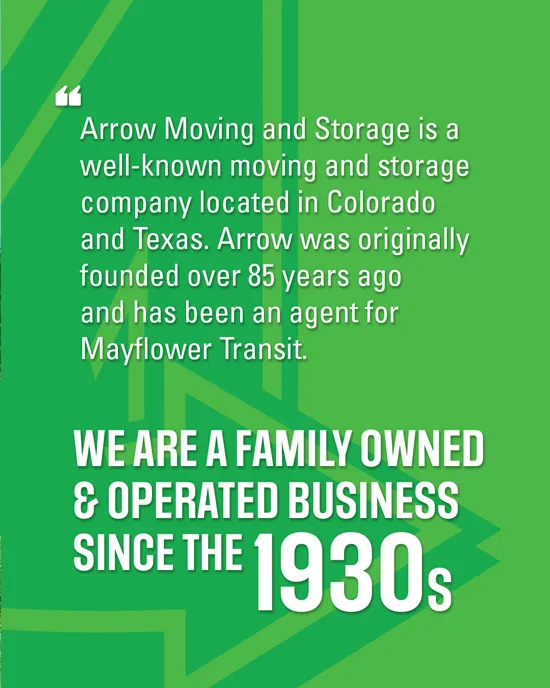
Arrow Moving and Storage is a well-known moving and storage company located in Wyoming, Colorado, Utah, and Texas.  Arrow was originally founded over 85 years ago. In 1970 it was purchased by the Ottoes family.  Arrow has been an agent for Mayflower Transit and a family owned and operated business since the 1930’s.  In 1995, David Ottoes became the President of Arrow Moving & Storage. He expanded Arrow Moving & Storage into Colorado Springs, Colorado in 1995, then Salt Lake City Utah in 2000, and finally San Antonio Texas in 2002.  During his 29 years as president, David developed all locations into well-rounded, highly reputable, trustworthy and community engaged organizations. 

David Ottoes, after 29 years as president, chose to sell Arrow Moving and Storage of Colorado & Texas to long-term employees, Art Lowenberg VP-Sales/Marketing/IT of Colorado-Texas, and Karie Wallace GM of Texas on January 1, 2024. 

Art began his career with Arrow 29 years ago.  He was employed as a mover while playing collegiate baseball and attending college at The University of Northern Colorado. Just like everything Art does, he excelled in college and graduated with a bachelor’s in computer science and a minor in business. Art started in sales at Arrow after graduating where he quickly advanced into the top sales rankings for Mayflower Transit. He received years of accolades, sales achievements, and certifications. As his career progressed, he took on management roles which included managing sales, marketing, customer service and agency development. Art’s deep passion for the moving industry and a customer-centric focus, makes him eager to step into his new role as the CEO of Arrow Moving & Storage of Colorado and Texas. Art’s vision and strategic long-term goals will rejuvenate the company’s culture. His organizational realignment plan will focus on Arrow’s new mission and values to better align the company’s operations with strategic goals. This will ensure continued growth and stability, while a strategic rebranding campaign will refresh Arrow’s image.

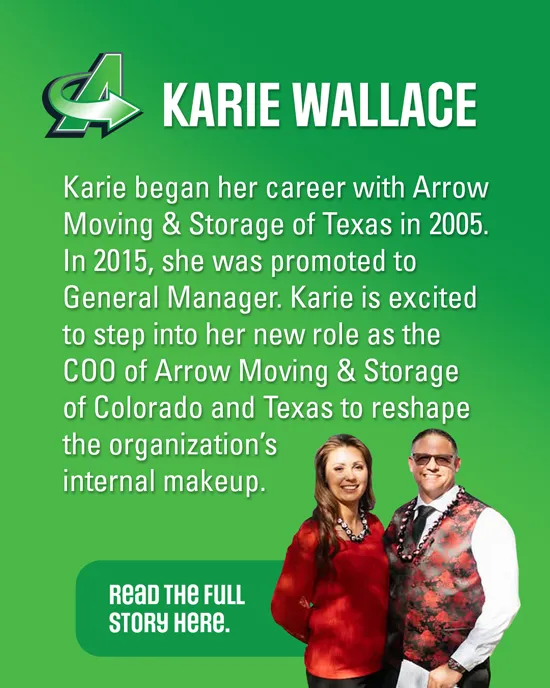
Karie began her career with Arrow Moving & Storage of Texas in 2005 as an office assistant. She posted A/R & A/P and assisted with collections. Wanting to learn all aspects of the business, Karie spent the next few years working as a Military Coordinator, Civilian Coordinator, Payroll Clerk, Office Manager, Dispatcher, Operations Manager, Backup Packer, Mover, Shaker, and Claims Representative.  This allowed her to grow operations and build an environment that was smooth and successful.  In 2015, she was promoted to General Manager. Karie is excited to step into her new role as the COO of Arrow Moving & Storage of Colorado and Texas to reshape the organization’s internal makeup. She will be executing the company’s strategic vision and optimizing day-to-day operations. Karie will oversee all aspects of the business at both locations, leveraging her expertise to enhance staff productivity, improve operational efficiencies, and deliver exceptional customer service. 

Art & Karie will continue the legacy that Arrow Moving & Storage has built over the last 30 years and provide the same exceptional service that our customers have come to expect.

Keeping Moving Day Stress in Check with Smart Strategies

Moving to a new home is an exciting milestone but can also bring plenty of stress. Packing, organizing logistics, and adjusting to a new environment can feel overwhelming. However, with the right approach, you can minimize the chaos and make your residential move smoother. Here are practical ways to mitigate stress during a residential move.

Plan and Create a Timeline

One of the most significant sources of moving stress is last-minute scrambling. Avoid this by creating a moving timeline that outlines essential tasks week by week. Start by securing a moving date, booking movers if needed, and setting deadlines for packing, decluttering, and utility transfers. A well-structured plan keeps you on track and prevents last-minute surprises.

Declutter Before You Pack

Packing up an entire household can be overwhelming, but reducing unnecessary belongings by decluttering makes it much more manageable. Well before moving day, go through your home and sort items into categories: keep, donate, sell, or discard. Letting go of unused or unwanted items lightens the load—literally and mentally. Plus, selling or donating items can benefit others and offset moving costs.

Gather Supplies Early

There’s nothing worse than running out of boxes or packing tape in the middle of a packing session. Stock up on essentials like sturdy boxes, bubble wrap, packing paper, and labels well in advance. Having everything ready ensures a smoother packing process and prevents last-minute shopping trips.

Pack Strategically and Label Clearly

A chaotic packing process leads to an even more stressful unpacking experience. Pack one room at a time, labeling each box with its contents and the room it belongs in. Consider using color-coded labels or numbered boxes with an inventory list for easy tracking. Keep essential items—like toiletries, medications, and important documents—in a marked “first-night” or “essentials” box.

Hire Professionals for Heavy Lifting

If your budget allows, hiring a professional moving company can make a world of difference. Experienced movers handle the heavy lifting, ensure safe transportation, and help streamline the process. Research and compare moving companies, checking reviews and credentials to find a reliable team that fits your needs.

Take Breaks and Manage Stress

It’s easy to get caught up in the hustle of moving, but remember to take breaks. Step outside for fresh air, grab a meal or set aside time to relax. Moving is physically and emotionally demanding, so pacing yourself helps prevent burnout.

Prepare for Moving Day Logistics

Have a clear plan in place to avoid unnecessary stress on moving day. If you use a moving company, confirm arrival times and provide clear instructions. If you’re moving yourself, ensure you have help lined up and know where to pick up the rental truck. Set aside snacks, water, and a small toolkit for last-minute needs.

Set Up Your New Home Gradually

Unpacking can feel like an endless task, but tackling it strategically makes the process manageable. Start with essential rooms like the kitchen and bedrooms, then work through the rest. There’s no need to rush—settling into a new home takes time, so prioritize comfort and functionality first.

Let Us Help

Moving doesn’t have to be overwhelming. You can easily transition into your new home with careful planning and proper support. Our experienced team is here to handle the heavy lifting and logistics so you can focus on the excitement of your fresh start. Contact us today for a free, no-obligation quote, and let’s make your move hassle-free.

Navigating a Restaurant Relocation

Relocating a successful restaurant is like orchestrating a complex performance—intricate, exciting, and filled with obstacles. If you’re contemplating moving your eatery, knowing the potential barriers and how to overcome them is crucial. Let’s delve into the particulars of what makes relocating a restaurant uniquely demanding and yet potentially rewarding.

Location is Key

Every restaurateur knows that the address of your enterprise often determines its fate. A bustling corner in a vibrant neighborhood could translate to foot traffic and a steady stream of customers. Relocating means capitalizing on a similar advantage or risking a considerable loss if the new location doesn’t attract the crowd.

To tackle this, conduct thorough market research before making any commitments. Understand the new area’s demographics, spending habits, and lifestyle preferences. Work with a local real estate agent well-versed in these specific dynamics. Additionally, seek feedback from your existing customer base; their insights could reveal potential challenges or benefits in the new location that you might overlook.

Keeping the Essence Alive

Moving locations can sometimes risk losing the unique ambiance that regulars cherish. Retaining your restaurant’s essence while adapting to a new spot can be tricky. Does your bustling bistro vibe translate well to a quieter suburban setting?

Start by listing the core elements that encapsulate your brand identity. Look at the decor, menu items, and service style. Will the same setup work in the new environment, or do adjustments need to be made? Involve your loyal patrons by hosting mock service sessions at the new site to gather feedback on whether the original essence remains intact or needs adjustments.

Communication and Outreach

A successful transition heavily relies on robust communication. If customers, suppliers, or staff are left in the dark, the move might be misconceived as closure or deterioration in service. Ensure clear, frequent updates across all your communication channels. Social media platforms, newsletters, and your website should regularly inform stakeholders about your moving plans and how they might affect them.

Create a partnership with local influencers or newspapers within the new area. Engaging with community leaders can help build awareness and generate buzz. Encourage your most loyal patrons to help spread the word, perhaps with exclusive moving announcements or tasting events, establishing a bridge between old and new clientele.

Budgeting for the Move

Relocating a restaurant is not just operationally challenging; it’s financially taxing. Costs from renovations, transportation logistics, staff training, new equipment, and even temporary shutdowns will affect your bottom line. A detailed budget plan can save you from unpleasant financial surprises.

To keep finances under control, consider creating a phased relocation strategy. Stagger the move instead of doing everything at once. This will allow you to manage unexpected costs more effectively. To remain financially flexible during the transitional period, explore options like leasing equipment and negotiating with suppliers.

Embrace Fresh Beginnings

Despite the many challenges, relocating a restaurant can create new opportunities. Relocating allows you to refresh your brand image and innovate your offerings. As you embark on this fresh journey, consider what new possibilities this new location might offer—introducing a seasonal menu, collaborating with local producers, or hosting community events.

The prospect of reaching a new audience, re-engaging with your patrons, or re-imagining your brand can be rejuvenating. Every challenge presents an opportunity for growth, so with thoughtful planning and execution, your restaurant might just serve its most enticing dish yet—a successful relocation.

Savvy Moves, Big Returns

Ultimately, the key to a successful restaurant relocation is to match your vision with the opportunities presented by your new location. While challenges are inevitable, you can maneuver them with strategic planning, community engagement, and an adaptable mindset. By considering these factors, your restaurant can thrive in fresh surroundings, often with more vibrancy and flavor than before. Embrace the move, which might be the secret ingredient to your continued success.

We are moving experts who can help with the planning and logistics of your commercial move. Contact us for a quote today.

8 Smart Tips for a Smooth Move-Out Day on Short Notice

It can be chaotic whether you’re moving across town or the country, especially if you leave preparations until the last moment. However, there is no need for concern! You can streamline your household moving process and reduce stress by making wise decisions, even in the eleventh hour. Here are eight practical tips to keep moving day in check.

1. Create a Game Plan

First, create a detailed plan. Then, quickly sit down with a pen, paper, or favorite note-taking app to jot down essential tasks. A prioritized list can work wonders—you’ll know what needs immediate attention and what can wait. This strategy can help you stay on track and minimize chaos.

2. Gather Supplies Immediately

Don’t delay gathering your packing materials. Collect boxes, tape, markers, and bubble wrap. Liquor stores, bookstores, and supermarkets often have spare boxes—they’re your allies in a last-minute scenario. Being equipped will save you multiple trips to the store, cutting down on wasted time.

3. Sort and Purge

Engage in a swift declutter session. Go room by room, identifying items you no longer need. If you haven’t used an item in a year, it’s probably time to part ways. Purging excess belongings will lead to less packing, transporting, and unpacking later.

4. Start Packing—Pronto!

With supplies at hand and a lighter inventory, jump straight into packing. Begin with seldom-used items, such as extra linens, seasonal clothing, and decorations. Focus on one room at a time to prevent the task from becoming overwhelming. Label boxes clearly to make identifying items easy later.

5. Mark Essentials

Mark boxes with must-have items and keep them accessible. Think daily essentials: toiletries, a couple of changes of clothes, medications, and chargers. An effortless strategy is to pack an overnight bag, mimicking one you’d use for a brief stay. This ensures you’re not rifling through boxes upon arrival at your new place.

6. Enlist Help

This isn’t the time to be shy about calling in favors. Reach out to friends or family for a pair of extra hands. Delegate tasks and transform the laborious day into a team effort. Shared laughs and camaraderie can transform stress into a memorable day.

7. Stay Nourished

Amidst the chaos, it’s easy to neglect basic needs. Keep snacks and water close by to maintain energy levels. Packing up and moving can be physically demanding, so quick bites will keep you fueled. Ordering a pizza or having sandwiches on standby ensures no one goes hungry as the day passes.

8. Final Clean and Inspection

Before closing the chapter at your old place, give it a final walk-through. Double-check cupboards, closets, and often-overlooked spots like the attic. A quick clean-up ensures you leave the place in good condition, safeguarding your security deposit if you’re a renter.

Trust the Process!

Moving can be complicated, especially when it’s the last moment. However, embracing these actionable tips can significantly ease the journey. So breathe deeply, swap panic for preparation, and tackle the task head-on. A new adventure awaits on the other side!

We can help with your relocation, from packing to the tricky lifting. Contact us for a free quote.

City to Suburbs: Your Handy Guide to Adjusting

Transitioning from urban chaos to suburban tranquility can be wonderful. While leaving behind the hustle and bustle of city life comes with its perks, navigating the suburbs’ quieter and more spacious environment requires some adjustment. Here are some practical tips to help make your residential move smoother and more enjoyable.

Embrace the Space

One of the biggest changes you’ll notice is the abundance of space. While city living often means cramped apartments and shared amenities, the suburbs offer larger homes and private backyards. Use this to your advantage by creating zones for different activities. Set up a cozy reading nook, create a home office, and utilize any available outdoor space for gardening or recreation.

Get to Know Your Neighbors

Suburban communities tend to be more tight-knit compared to metropolitan areas. Take the initiative to introduce yourself to your neighbors. You can start by joining local community groups or homeowner associations. These connections can offer you a wealth of information about the neighborhood, from the best places to shop and eat to essential services like healthcare and schools.

Adjust Your Commute

Living in the suburbs may mean a longer commute to work. Plan your route and explore different commuting options. Unlike the city, public transportation may not be within walking distance. However, many suburban areas offer park-and-ride facilities that can help you connect with public transport. Additionally, consider starting a carpool with neighbors or coworkers to make your commute more efficient and environmentally friendly.

Optimize Your Home for Suburban Living

Your new home may require amenities different from those in your city apartment. Consider upgrading your appliances to energy-efficient models, especially if your home is larger and requires more heating or cooling. Invest in outdoor furniture for your yard or patio, and if you have children or pets, make sure the outdoor space is safe and secure for them to play.

Explore Local Amenities

One of the joys of suburban living is the availability of local amenities that cater to families. Look for local parks, recreational centers, and libraries. These spaces often offer activities and classes for all age groups, making meeting people easier and integrating into your new community. Also, frequent local businesses to support your community and discover hidden gems like boutique shops and family-run restaurants.

Beware of Culture Shock

Moving from a city to the suburbs isn’t just a change in environment; it’s a shift in lifestyle. City life is always on the go, while suburban life tends to be slower-paced. You might find fewer 24/7 stores and restaurants, and public transportation options may be limited. Prepare to adjust your habits and embrace the new rhythm of life. This change can actually be a refreshing opportunity to explore new hobbies and enjoy a quieter, more relaxed routine.

A New Beginning Awaits

It’s important to see this move as a fresh start. Embrace the change and make a conscious effort to enjoy and adapt to your new surroundings. Whether discovering new outdoor activities, attending community events, or simply relishing the increased privacy and tranquility, the suburbs offer a different but rewarding way of life.

Ready to make a move? Contact us for a free quote.

Declutter and Dominate: Moving Made Easy

Moving can be exhilarating but also a bit overwhelming. One way to ensure a smooth transition is by decluttering. It not only lightens your load but also provides a fresh start. Following these simple steps can streamline this process and make your household move far less stressful.

Start Early

The sooner you start decluttering, the better. Begin by tackling one room at a time. This phased approach helps break down the task into manageable chunks. Create a timeline and stick to it, dedicating specific days for each room. This helps in reducing last-minute chaos.

Set Clear Goals

Clearly define what you want to accomplish with your decluttering. Are you aiming to get rid of unused items, or are you just trying to organize better? Setting clear objectives can help you stay focused and make quicker decisions about what to keep and what to toss.

Sort and Categorize

Organize your belongings into categories: keep, donate, sell, and discard. Have clearly marked bins or boxes for each category. This way, you can visually see the progress you’re making and it helps avoid confusion. Plus, you might find items you forgot you had!

Tackle Sentimentality

One of the hardest parts of decluttering is letting go of sentimental items. While keeping some meaningful pieces is okay, try not to hold onto everything. Ask yourself if the item truly brings you joy or if it’s just taking up space. Sometimes, taking photos of sentimental items before letting them go can make parting easier.

Utilize the “One-Year Rule”

If you haven’t used an item in the past year, chances are you won’t miss it. Apply this rule stringently, especially with clothes, gadgets, and kitchenware. This can help make your decision-making process more efficient and less emotional.

Maximize Donations

One person’s trash can be another’s treasure. Donate lightly used items to local charities or shelters. Not only does this clear up your space, but it also supports those in need. Make sure to get a receipt for potential tax deductions!

Plan a Yard Sale

Turn your decluttering into an opportunity to make extra cash with a yard sale. Advertise through social media and local community boards to attract buyers. It’s a great way to get rid of unwanted items while earning a bit of money to defray moving costs.

Use Virtual Solutions

In today’s digital world, there are numerous platforms where you can sell unwanted items. Websites like eBay, Craigslist, and apps like Letgo can help you reach a broader audience than a traditional yard sale. Additionally, you can donate to online charities that accept items via mail.

Get Help if Needed

Decluttering can be a daunting task, especially when moving. Don’t hesitate to seek help from friends, family, or professional organizers. Sometimes an extra pair of hands can make all the difference. Plus, having someone else around can help keep you motivated.

Simplify and Succeed!

In summary, decluttering before your move is a practical step that can make the whole process smoother. By starting early, setting clear goals, and tackling one area at a time, you’ll be well on your way to a more organized, stress-free move. Contact us for a free moving quote.